

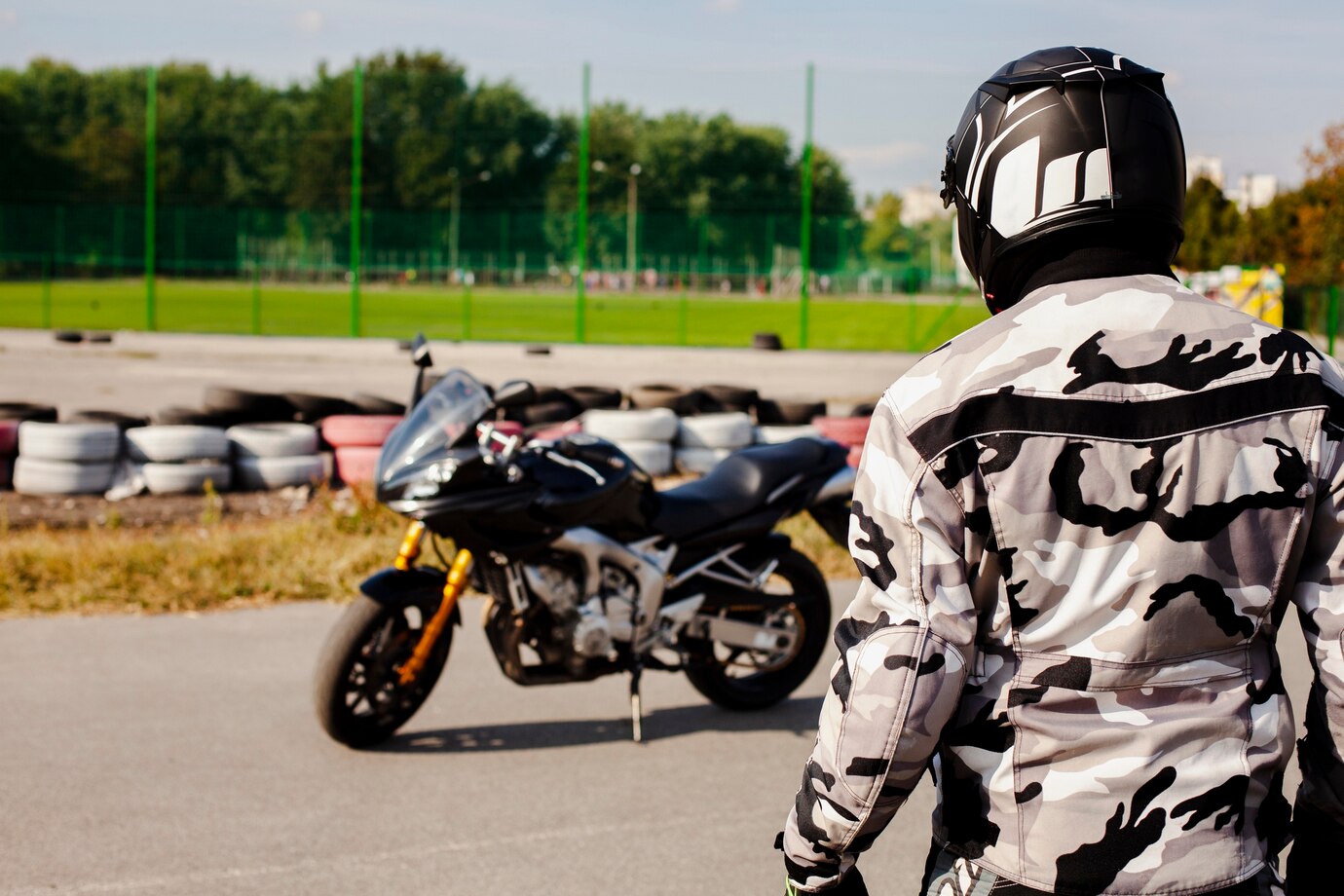
Key Differences Between Summer and Winter Motorcycle Jackets
Motorcycle jackets are more than just a style choice, they are essential gear that keeps riders safe, protected, and comfortable in changing weather. But not all jackets are made for every season. Summer and winter motorcycle jackets serve very different purposes, and choosing the wrong one can affect not only your comfort but also your safety on the road. Understanding the key differences helps you ride confidently all year long.
1. Ventilation vs. Insulation
The biggest difference between summer and winter motorcycle jackets is temperature control.
Summer Jackets
Summer jackets are built to keep you cool during hot rides. They use:
-
Large mesh panels for maximum airflow
-
Breathable textiles
-
Moisture-wicking inner liners
These jackets allow air to flow directly through the fabric, preventing overheating and sweat buildup. Mesh jackets, in particular, can feel almost like riding with a T-shirt, except you still get the protection you need.
Winter Jackets
Winter jackets are the opposite. They are designed to trap heat and block wind. They use:
-
Thermal liners
-
Heavier, insulated fabrics
-
Windproof and waterproof membranes
The goal is to keep cold air out while keeping body warmth in. Many winter jackets come with removable liners so you can adjust insulation as temperatures change.
2. Outer Material and Protection Layers
Summer Jackets
Summer riding jackets usually feature:
-
Lightweight textiles
-
Mesh fabric
-
Flexible panels
Because they’re meant to breathe, materials are thinner and lighter. However, they still include important safety features like CE-rated armor in the shoulders, elbows, and back.
Winter Jackets
Winter jackets prioritize durability and weather resistance. Expect:
-
Thick textile shells (like Cordura or heavy polyester)
-
Multi-layer construction
-
Reinforced impact zones
These heavy-duty materials help protect you from cold, wind, and wet conditions while giving better abrasion resistance.
3. Weather Protection Features
Summer Jackets
Summer jackets offer limited weather protection because they are designed for ventilation. In most cases:
-
They are not waterproof
-
Wind resistance is minimal
-
They may include light rain protection, but not for heavy storms
Their main job is cooling, not shielding you from harsh weather.
Winter Jackets
Winter motorcycle jackets focus heavily on weather protection. They may include:
-
Waterproof membranes (Gore-Tex, DryTech, Hipora)
-
Storm flaps over zippers
-
High collars to prevent wind entry
-
Sealed seams for full waterproofing
These features keep you warm and dry even in cold rain, snow, or strong winds.
4. Fit and Comfort Differences
Summer Jackets
These jackets are lightweight and usually have a slimmer, sportier fit. Because you sweat more in summer, designers aim to keep the jacket:
-
Light
-
Flexible
-
Non-restrictive
Most summer jackets feel much less bulky and allow better movement.
Winter Jackets
Winter jackets are naturally heavier and bulkier due to added layers. The fit is usually more relaxed to allow space for:
-
Thermal clothing
-
Base layers
-
Extra insulation
Many winter jackets also include adjustable cuffs, waist straps, and drawcords to block out wind.
5. Armor and Safety Components
Both summer and winter jackets include protective armor, but there are differences in design.
Summer Jackets
-
CE armor is usually lighter
-
Armor pockets often use mesh
-
Ventilation around armor areas is prioritized
Winter Jackets
-
Armor is often thicker and more rigid
-
Extra padding in the chest or spine for cold-weather impact
-
Less ventilation around armor due to insulation
Winter jackets generally provide more overall body coverage.
6. Practical Use Cases
Summer Jackets:
Perfect for:
-
Hot climates
-
Urban commuting
-
Riding in daytime heat
Winter Jackets:
Best for:
-
Cold climates
-
Windy or rainy conditions
-
Long-distance touring
If you ride year-round, owning both is ideal.
Conclusion
While both summer and winter motorcycle jackets protect you on the road, they are engineered for completely different riding environments. Summer jackets focus on airflow and lightweight comfort, while winter jackets provide insulation, wind protection, and weatherproofing. Choosing the right one for the season ensures safer, more comfortable rides, no matter what the temperature is outside.
Leave a comment
This site is protected by hCaptcha and the hCaptcha Privacy Policy and Terms of Service apply.

User Name 2 Days ago
Lorem ipsum dolor sit amet, consectetuer adipiscing elit. Aenean commodo ligula eget dolor.